



The global truck and bus tire industry, a critical pillar of worldwide logistics and transportation, finds itself at a complex crossroads in 2025. While facing significant headwinds from market contraction and geopolitical friction, the sector is simultaneously being propelled forward by unprecedented technological innovation and strategic realignment. The narrative of the year is not merely one of challenge, but of a profound transformation where established giants are consolidating, new leaders are emerging, and the very design of the tire is being re-engineered for a new era.
A Market in Flux: Strategic Retreats and Shifting Demand
A wave of strategic consolidation is sweeping through the traditional strongholds of the tire industry. Major global players are implementing substantial capacity adjustments, particularly in higher-cost regions. Michelin has initiated multiple rounds of weekend stoppages at its largest truck tire plant in Europe, citing a significant drop in the North American original equipment market-2. Goodyear is closing several historic factories, including a 77-year-old plant in South Africa, with restructuring costs exceeding $100 million-2. Similarly, Bridgestone shuttered a 53-year-old truck and bus tire factory in the United States in July-2. Industry analysts point to the dual pressure of high energy costs in regions like Europe and intensified competition from cost-effective Asian manufacturers as primary drivers behind this "right-sizing" of global production capacity-2.
These strategic retreats coincide with a nuanced demand landscape. In the United States, the world's largest single market, forecasts for 2025 present a mixed picture. The U.S. Tire Manufacturers Association (USTMA) projects a slight 0.9% overall growth in total tire shipments-1. However, a clear divergence exists between segments: while shipments of replacement truck tires are expected to rise by 3.7%, shipments for original equipment on new trucks are anticipated to fall by 8.0%-1. This indicates a market increasingly driven by maintenance and lifecycle management of existing fleets rather than new vehicle production.
The Electric Imperative: Redefining Tire Technology from the Ground Up
The most potent force reshaping product development is the rapid electrification of commercial vehicles. Electric trucks present a unique challenge to conventional tire design due to their instant high torque and significantly increased weight from battery packs—often up to 25% heavier than diesel counterparts-3-7. This leads to a new "triple high" dilemma for traditional tires: high wear, high failure rates, and high irregular wear-3.
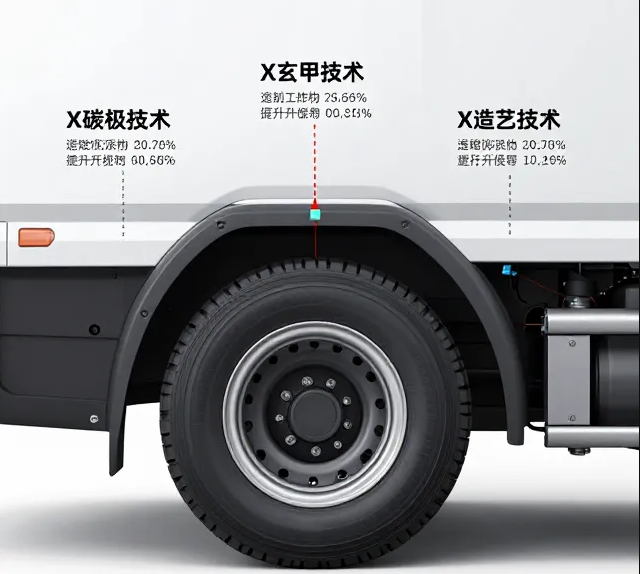
In a landmark response to this challenge, China's Zhongce Rubber Group made a global debut in July 2025 of a dedicated electric commercial vehicle tire system. The launch, hailed as a breakthrough, introduced the proprietary "X Technology System"-3-10. This system comprises three core innovations: "X-Carbon Extreme" technology using a new composite material to improve wear resistance by 50%; "X-Mystic Armor" for enhanced structural integrity; and "X-Craft" high-pressure manufacturing for denser rubber compounds-3-7. This development underscores a pivotal shift from making tires that merely fit electric vehicles to engineering them specifically for electric drivetrains, a transition that industry experts see as critical for the future-3.
The China Factor: Resilience, Expansion, and Trade Tensions
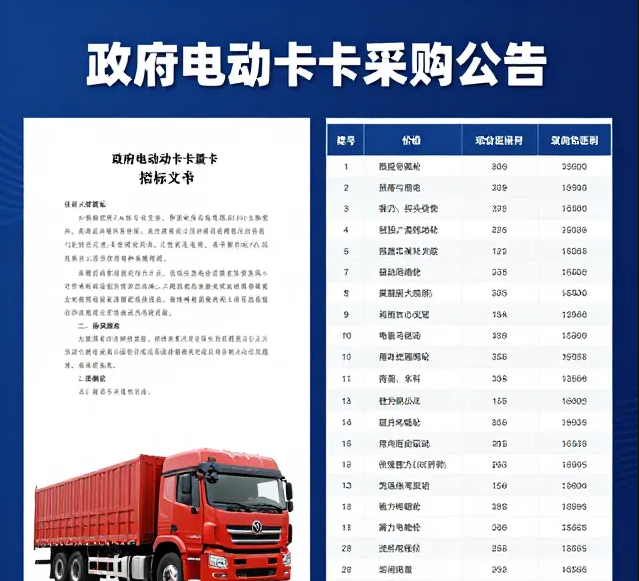
While some international brands contract, China's tire industry demonstrates resilience and expanding ambition. Domestically, it is buoyed by a recovering heavy-duty truck market, fueled in part by national vehicle renewal policies-4. Analysts project China's heavy-duty truck sales could surpass 1 million units for the year, with the new energy segment maintaining a penetration rate above 20%-4.
Internationally, Chinese manufacturers are capitalizing on their cost-competitiveness and agile production. Their ability to offer comparable products at prices 30-50% lower than established international brands has been a key factor in the global competitive landscape-2-4. However, this expansion faces increasing friction. The industry is navigating a complex web of international trade investigations, including anti-dumping and countervailing duty probes in markets like Europe, which threaten to reshape export dynamics and could accelerate the trend of Chinese firms establishing production bases overseas-4.
Future Trends: Intelligence, Sustainability, and Specialization
Looking beyond the immediate turbulence, several long-term trends are coming into sharp focus:
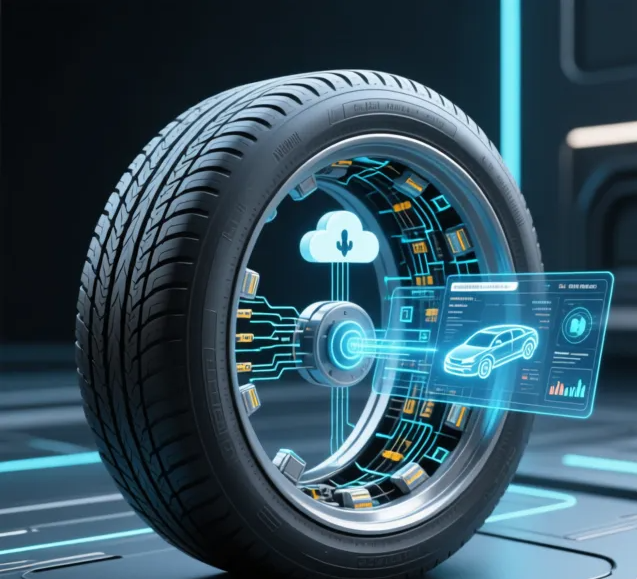
Smart and Connected Tires: The integration of sensors and telematics is moving from premium option to fleet management essential. Real-time data on pressure, temperature, and tread depth is becoming crucial for predictive maintenance, maximizing uptime, and optimizing safety-6.
The Sustainability Drive: The focus on lower rolling resistance to improve fuel economy and reduce emissions continues to intensify-8. Furthermore, the circular economy model is gaining traction, with emphasis on tire retreadability and advanced recycling processes to extend product lifecycles and reduce environmental impact-6.
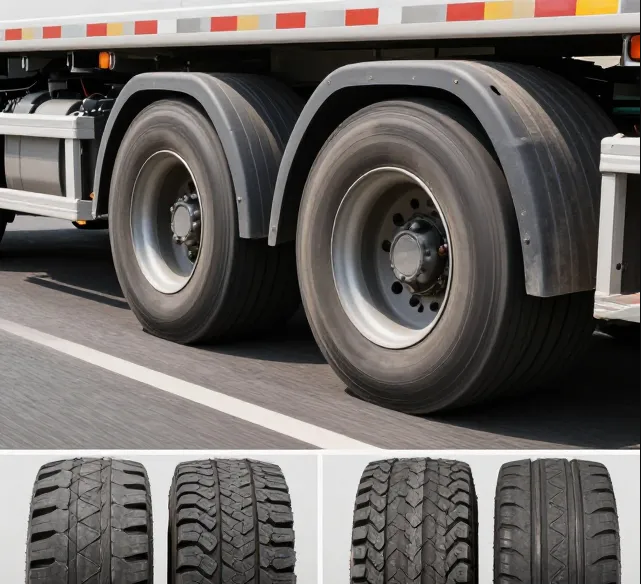
Application-Specific Solutions: The market is fragmenting into specialized niches. Demand is growing for tires engineered for specific challenges, such as the punishing stop-start cycles of urban last-mile delivery[vitation:6], or the unique wear patterns on multi-axle trucks.
In conclusion, the global truck tire industry in 2025 is a study in contrasts and adaptation. It is an industry shedding old skin through painful closures while growing a new one forged in advanced materials science and digital connectivity. The path forward is no longer just about moving loads efficiently, but about providing intelligent, sustainable, and highly specialized solutions that meet the distinct demands of a rapidly evolving transportation ecosystem. The companies that thrive will be those mastering this intricate balance between operational pragmatism and visionary innovation.
Copyright © 2024-2025 Firemax Sdn. Bhd Company. All rights reserved.
Headquarters address:303 block C, Pusat Dagangan Phileo Damansara 1, No 9 Jln 16/11 Off Jalan Damansara, 46350 Petaling Jaya, Selangor. Malaysia Sales Hotline:+60 11-6449 0688 After-sales hotline:+60 11-6449 0688