
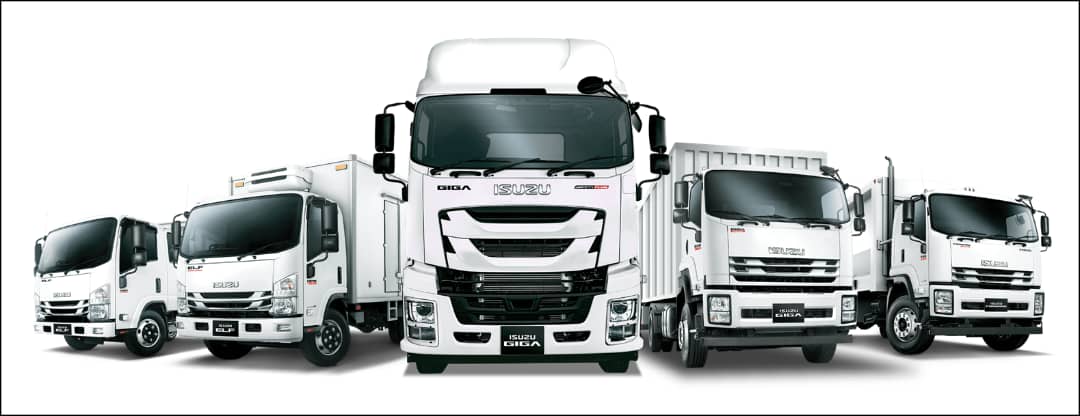

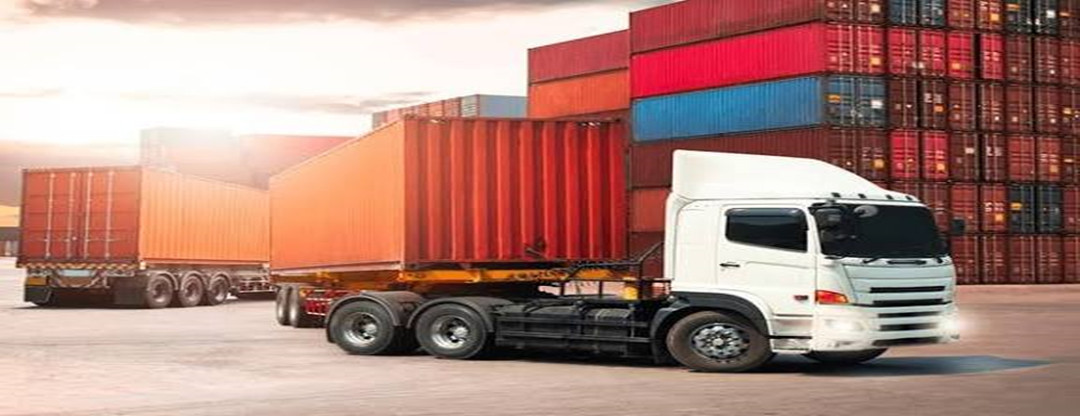
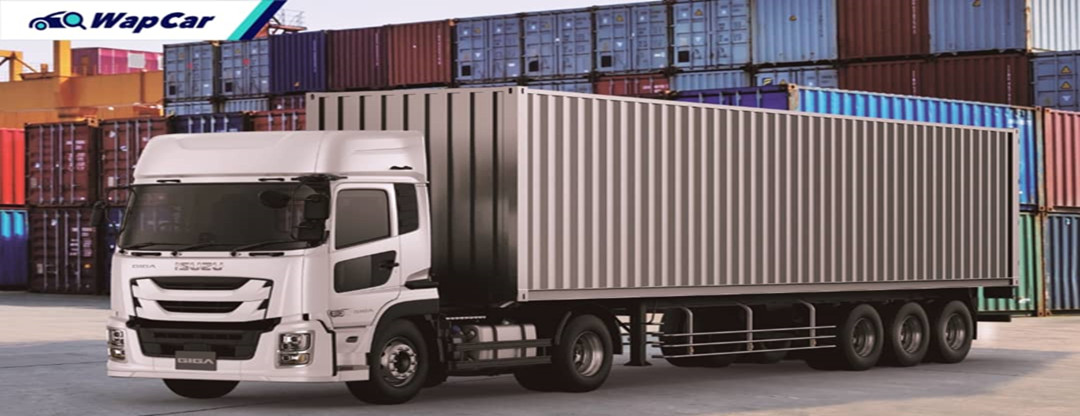

As the dawn of 2026 illuminates North America, the commercial truck tire industry is experiencing a quiet yet profoundly significant transformation. Numbers don't lie—the U.S. Tire Manufacturers Association (USTMA) latest forecast shows that 2026 U.S. tire shipments will reach 340.2 million units, a figure that not only breaks the record of 337.3 million set in 2025 but also far exceeds the pre-pandemic level of 332.7 million in 2019. Behind this growth, the replacement market is becoming the core driving force propelling the industry forward.
Replacement Market Surges While OE Market Faces Headwinds
From the perspective of tire dealers, this year's market presents an unprecedented divergence. The Original Equipment (OE) market is experiencing a "downsizing"—passenger car tires are expected to decline 2.0% (down 800,000 units), light truck tires fall 1.4% (down 100,000 units), and truck tires drop sharply by 8.0% (down 500,000 units). Combined, the OE market will shrink by 1.4 million units.
These figures reflect the structural adjustments underway in the automotive manufacturing industry. The growing pains of the electric vehicle transition, supply chain reshuffling, and changes in consumer car-buying intentions are all affecting new vehicle production. For tire manufacturers who have long relied on OE orders, this is undoubtedly a wake-up call.
The replacement market's performance, however, is eye-catching. Data shows passenger car replacement tires are projected to grow 0.4% (up 900,000 units), light truck replacement tires increase 4.0% (up 1.4 million units), and most notably, truck and bus replacement tires are expected to surge 7.6% (up 1.8 million units). The three segments combined will bring 4.4 million units of incremental volume to the industry, more than offsetting OE market declines and achieving a net increase of 3.0 million units.
This "one rises, one falls" pattern is no coincidence. An important consumer habit cultivated during the three pandemic years continues to ferment—vehicle owners are choosing to extend vehicle lifespans rather than frequently replace cars. Industry analysts point out that the average vehicle age in the U.S. has extended from 11.8 years in 2019 to 12.5 years in 2025, meaning more vehicles require more frequent tire replacement services.
Correspondingly, vehicle miles traveled on U.S. roads continues to rise steadily. Whether personal travel or commercial logistics, increased mileage directly accelerates tire wear. For commercial fleets, this trend is even more pronounced—American Trucking Associations (ATA) data shows that while the freight market overall remains in "recession," February freight volume "snapped back" from January, indicating the industry is slowly recovering.
Commercial Truck Tires Become Growth Engine
If we were to identify the brightest star in the 2026 tire market, commercial truck tires would undoubtedly deserve the honor. The replacement market is projected to grow 7.6%, not only far exceeding passenger car and light truck tire growth rates but also revealing the profound transformation underway in the commercial transportation industry.
Work fleets, delivery operators, and vocational commercial vehicles are becoming the mainstay of the tire replacement market. These customers have unique consumption characteristics—they tend to purchase in bulk, have predictable purchasing cycles, and demand extremely high product performance. A tire shop owner in Ohio who has operated for 20 years told us: "Truck drivers who come to the shop now to replace tires will carefully inquire about tire wear resistance, fuel economy, and load capacity. They know that choosing the right tire can directly affect annual operating costs."
This emphasis on performance is driving the entire industry toward premiumization. Tireco Inc. just launched the next generation of its Milestar commercial truck tire lineup on January 22, covering steer, drive, trailer, and all-position applications. This product line update reflects manufacturers' precise grasp of market demand—drivers need not just tires that "work," but professional products that can continuously provide reliable performance under harsh conditions.
Notably, the light truck tire market also maintains strong growth momentum. The main driver of this market comes from the continued hot sales of pickup trucks and SUVs. In American culture, pickups are not just utility vehicles but symbols of a lifestyle. With the launch of new energy pickups like the Ford F-150 Lightning and Rivian R1T, this segment is welcoming new growth opportunities.
Industry Consolidation Accelerates, Strong-Get-Stronger Pattern Emerges
Early 2026 is witnessing a wave of mergers and acquisitions in tire retail and wholesale. On January 27, K&M Tire Inc. announced it would soon acquire Zurcher Tire Inc.'s wholesale division, which operates 12 distribution centers across five states. This transaction marks regional tire wholesalers' efforts to expand market share and improve supply chain efficiency through mergers.
At K&M's 2026 annual meeting held on January 15, management detailed how this merger and operational improvements would serve customers more effectively. During the meeting, hundreds of K&M customers gathered in Overland Park, Kansas, to witness this historic moment. Such large-scale customer gatherings themselves demonstrate the close relationship between suppliers and dealers—in this industry, trust and service networks are often more important than price.
The retail side is equally active. Big O Tires was once again named number one in the "Wheels and Tires" category by Entrepreneur Magazine on January 14, marking the brand's fourth consecutive year receiving this honor and its 11th time topping the list since 2001. Big O Tires COO Gary Skidmore stated: "We take immense pride in our reputation and are honored to be recognized once again as a brand that customers can trust for high-quality tires and automotive care."
This chain giant with nearly 470 franchise stores just launched a nationwide advertising campaign called "No Big Deal," emphasizing that even the toughest vehicle problems are "no big deal" at Big O Tires. Behind this confident marketing rhetoric lies a comprehensive technical support system and supply chain assurance capability.
American Tire Distributors (ATD) also rolled out an enhanced Customer Loyalty Program and new Commercial Flex Program on January 19, the latter replacing the previous Hercules Flex Program. All these initiatives point to the same goal—retaining customers through better service and more flexible business models in an increasingly competitive market.
Technological Innovation Redefines Product Boundaries
When we talk about innovation in the tire industry, it's easy to fall into the mindset of "how much breakthrough can a traditional manufacturing industry have?" But several events in recent weeks are refreshing people's perceptions of this industry.
In mid-January, a General Motors (GM) patent application attracted widespread industry attention. The patent describes a wheel design that completely eliminates the need for inflation, replacing the traditional air pressure system with an internal support structure. This design not only significantly reduces wheel weight but can also directly integrate electric motors and braking mechanisms, making it particularly suitable for EV applications.
While this technology is still far from large-scale commercialization, it reveals an important trend—the rapid proliferation of electric vehicles is forcing the tire industry to undergo fundamental innovation. EVs' heavier bodies, greater torque, and extreme pursuit of range all pose unprecedented challenges to tires. Traditional tires often perform inadequately on electric pickups, creating enormous market space for tire products specifically developed for EVs.
Continental's long-term partnership with UK building materials giant Cemex demonstrates from another perspective how technology is changing the way commercial truck tires are used. Collaboration details announced on January 15 show Cemex has equipped its entire fleet with Continental's ContiConnect tire pressure monitoring system. This system's sensors continuously measure tire pressure and temperature, with data transmitted in real-time to cab displays and fleet management systems.
Carl Milton, Cement Logistics Manager UK at Cemex, commented: "As well as monitoring deflation, it also analyzes heat transfer—allowing drivers to see exactly when brake defects and wheel bearing failures are imminent, so problems can be dealt with in real time." This preventive maintenance concept is fundamentally changing fleet management models—from "fix it when it breaks" to "predictive maintenance," thereby dramatically reducing unexpected downtime and maintenance costs.
Four Yard Reader stations at Cemex plant yards also provide additional fleet tire data control. When anomalies occur, the ContiConnect platform proactively sends email alerts. This "IoT + tire" combination transforms a seemingly simple rubber product into an important node in overall fleet operation intelligence.
Market Segmentation Deepens, Specialization Becomes Trend
Walking into any modern tire retail shop, you'll find the variety of products on the shelves has multiplied compared to ten years ago. All-terrain tires, mud-terrain tires, high-performance tires, all-season tires, winter tires... Behind each subcategory lies specific usage scenarios and customer needs.
Tire Review magazine specifically noted in its 2026 industry trends report that the continued growth of SUVs and CUVs (crossover SUVs) is driving all-season tire development. These vehicles typically travel on paved roads, but owners also want to maintain good performance during occasional off-road or severe weather conditions. This "wanting it all" demand has spawned the emerging all-weather tire category—it approaches all-season tire performance on dry and wet roads while possessing some winter tire capabilities.
While the winter tire market is relatively stable, it also provides dealers opportunities to cultivate customer loyalty. In northern U.S. states, many vehicle owners have developed the habit of seasonal tire changes. Dealers transform one-time product sales into long-term customer relationship maintenance through value-added services like storage and change reminders.
More notably, the tire industry is bridging the gap with consumers through storytelling. Tire Review reported on Cosmo Tires' collaboration with Western Iowa Tech students to restore a 1972 Chevy Blazer. This marketing approach that integrates tire products into lifestyle and cultural identity particularly resonates with young consumers seeking personalization.
For all-terrain (A/T) and mud-terrain (M/T) tire enthusiasts, tires are not just functional products but declarations of attitude. Customer loyalty in this segment is extremely high, with willingness to pay premium prices for better performance. Dealers who can establish professional reputations in this field often obtain stable and highly profitable business.
Efficiency Revolution: Comprehensive Optimization from Shop to Supply Chain
Against a backdrop of continuously rising labor costs and shrinking profit margins, efficiency improvement has become a survival imperative for tire retailers. The latest generation of tire changing equipment is helping shops significantly reduce service time.
Hunter's new balancer combines Road Force diagnostic functions with workflow automation, saving several minutes per tire. For busy shops serving dozens of vehicles daily, this means serving more customers or giving technicians more time for detailed inspections and explanations.
Inventory management is equally a focus of efficiency optimization. Modern Tire Dealer magazine pointed out in an article that tire stacks occupy a disproportionate amount of floor space, hindering traffic flow. Inconveniently placed stacks not only make product location tedious but also cause strain during handling. More dealers are adopting vertical storage systems and digital inventory management, transforming passive "finding tires" into proactive "tires finding you."
Talent cultivation is also an important part of efficiency improvement. Black's Tire Service announced a multi-year partnership with Southeastern Community College in Whiteville, North Carolina, on January 30. This "industry-academia-research" integration model not only cultivates more qualified technicians for the industry but also helps dealers establish talent pipeline channels.
Black's Tire Service celebrated its 97th anniversary and its biggest year in terms of expansion at its 2026 "Let's Go Together" Sales and Leadership Conference. The conference attracted hundreds of customers from across the U.S., fully demonstrating this nearly century-old shop's industry influence. In an era full of change, maintaining growth for nearly a century reveals secrets worth deep reflection by every practitioner.
Trade Policy: The Damocles Sword Overhead
While the North American market is overall positive, trade policy uncertainty remains a lingering shadow over the industry. On January 2, the U.S. International Trade Commission announced the second five-year review of countervailing and antidumping duty orders on passenger vehicle and light truck tires from China, to determine whether revocation of the orders would be likely to lead to continuation or recurrence of material injury to the domestic industry.
This trade protection measure, initiated in 2015 and continued after the first five-year review in 2021, is now undergoing review procedures again, showing the U.S. government's high attention to the tire industry—or rather, continued vigilance toward "low-price competition" from countries like China. The deadline for review responses is February 2, with adequacy comments due by March 16.
In this policy environment, North American tire manufacturers and importers are all trying to balance cost, quality, and supply chain stability. Mexico, as an important nearshoring destination, is attracting increasing tire manufacturer factory investments, hoping to stay close to the U.S. market while avoiding tariff barriers directly targeting China and Southeast Asia.
Future Outlook: Finding Certainty Amid Disruption
Reviewing these industry developments in early 2026, a clear picture is emerging: the U.S. commercial truck tire market is shifting from scale-driven to quality-driven, from product sales to service-oriented, from extensive management to refined operations.
For tire dealers, future opportunities lie in:
Deepening Replacement Market: As vehicle lifespans extend and miles traveled increase, the replacement market will continue expanding. Focusing on serving commercial fleets and vocational customers can yield more stable orders and better profit margins.
Embracing Technological Innovation: From intelligent tire pressure monitoring to predictive maintenance, technology is redefining "selling tires." Dealers who can provide customers with data-driven solutions will gain competitive advantages.
Strengthening Professional Image: Establish professional recognition in niche markets, enhance brand influence through content marketing and community engagement. Tires are no longer purely functional products but carry multiple values including safety, performance, and lifestyle.
Optimizing Operational Efficiency: Improve service efficiency through equipment upgrades, process improvements, and talent cultivation, maintaining profitability under cost pressures.
Vigilance Against Policy Risks: Closely monitor trade policy changes, optimize supply chain layouts, avoid over-reliance on single sources.
Standing at the starting point of 2026, the U.S. commercial truck tire industry is writing a new chapter. The projected 340.2 million unit shipment is not just a number but represents safety assurance for millions of truck drivers, efficient operation of the logistics industry, and the pulse of the American economy.
For every industry practitioner—whether manufacturer, wholesaler, retailer, or service technician—this is an era full of challenges yet limitless opportunities. Those who can discern market trends, embrace technological change, and uphold service quality will surely reap their own success in this transformation.
After all, wheels never stop, and the tire industry's story continues.
Copyright © 2024-2025 Firemax Sdn. Bhd Company. All rights reserved.
Headquarters address:303 block C, Pusat Dagangan Phileo Damansara 1, No 9 Jln 16/11 Off Jalan Damansara, 46350 Petaling Jaya, Selangor. Malaysia Sales Hotline:+60 11-6449 0688 After-sales hotline:+60 11-6449 0688