
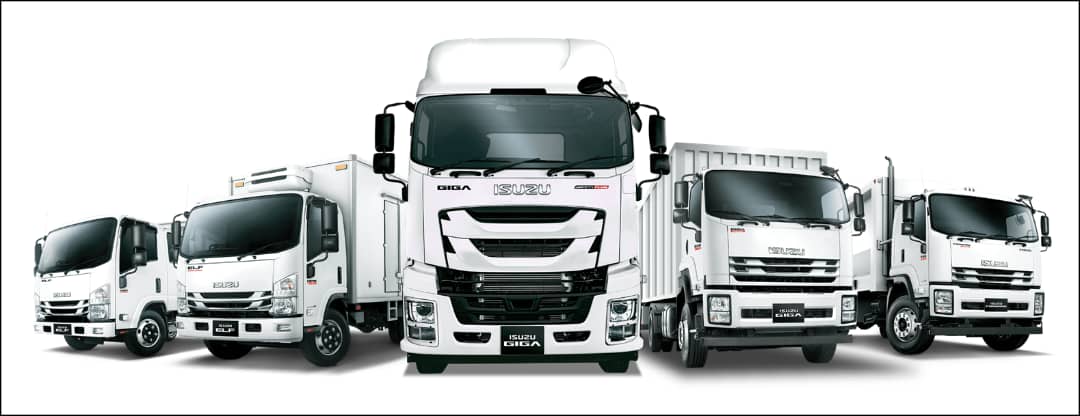
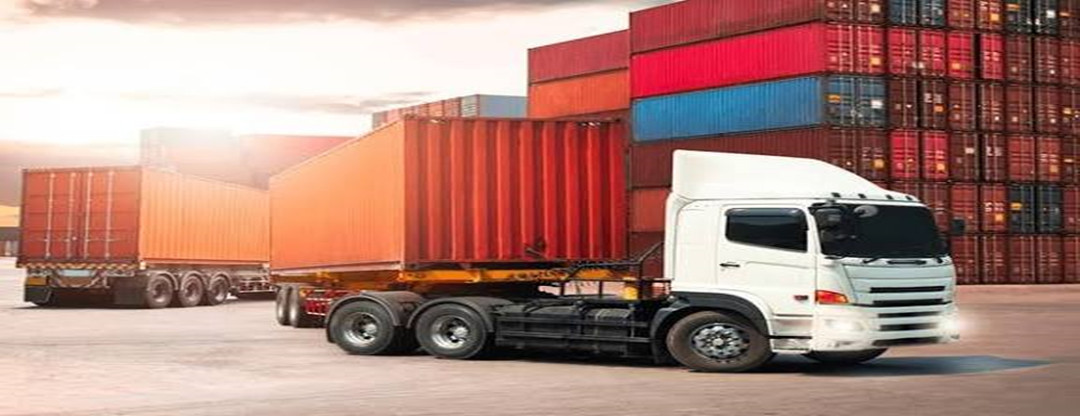
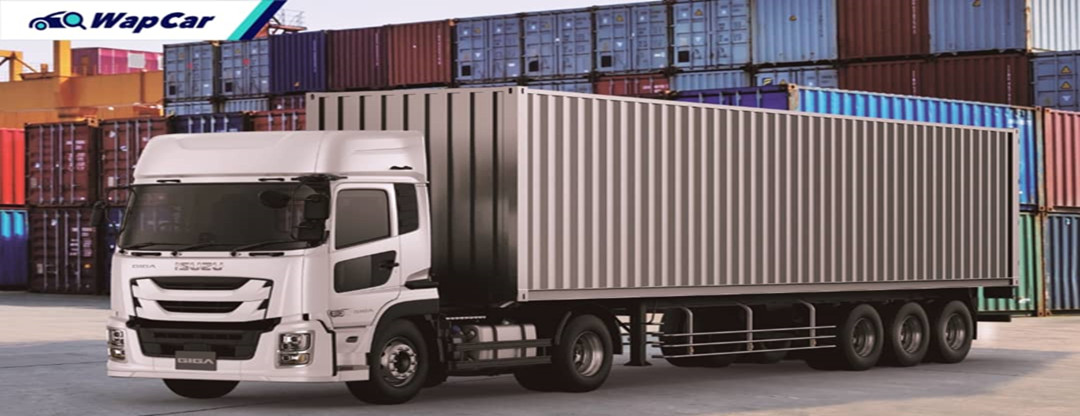

As global logistics demand continues its upward trajectory and the electric commercial vehicle market expands rapidly, the commercial truck tire industry is undergoing a profound technological transformation. According to the latest forecast data released by the U.S. Tire Manufacturers Association (USTMA) in December 2025, robust replacement market demand is driving overall tire shipments to record highs, projected to reach 340.2 million units, surpassing the 337.3 million record set in 2024. Behind this growth lies the industry's persistent pursuit of intelligent technology, sustainable development, and enhanced product performance.
Market Scale Continues to Expand, Replacement Demand Becomes Growth Engine
The growth momentum of the truck tire market has been particularly evident in early 2026. According to USTMA's latest forecast released in December 2025, while the original equipment (OE) market shows modest decline, the replacement market demonstrates remarkable resilience and growth potential. Data indicates that the truck tire replacement market is projected to grow by 7.9% year-over-year, reaching 25.2 million units compared to 23.4 million in 2024, an increase of 1.8 million units.
This growth is no coincidence. Analysis from Tire Review magazine points to extending vehicle lifespans as one of the key factors driving replacement demand. As owners and fleet operators choose to keep existing vehicles in service longer, tire replacement frequency correspondingly increases. Additionally, rising mileage in both personal and commercial sectors accelerates tire wear, creating sustained replacement demand.
Notably, growth in light truck and truck tire replacement markets has been especially significant. Industry observers believe this trend closely correlates with increased demand from logistics fleets, last-mile delivery operators, and vocational users. These customers typically have higher purchase volumes and predictable replacement cycles, providing stable business opportunities for tire dealers and manufacturers.
Table 1: 2025 U.S. Truck and Light Truck Tire Market Forecast (Source: USTMA)
Category 2025 Forecast (Million Units) YoY Change Truck Tire Replacement 25.2 +7.9% Light Truck Replacement 37.8 +2.9% Truck Tire OE Market 4.6 -18.1% Technological Innovation Leads Industry Upgrade, ENLITEN Takes Center Stage
While market demand continues to grow, technological innovation has become the core competitive advantage for tire manufacturers vying for market share. Bridgestone's ENLITEN next-generation technology platform, launched in 2025, has set new benchmarks for the commercial truck tire industry. This technology not only enhances tire performance but also strengthens focus on sustainability.
According to information released by Bridgestone in October 2025, the all-new Firestone FS592 steer tire incorporates ENLITEN technology and is designed for long-haul and regional trucking fleets. This tire features an additional 32nd of tread depth and a wider footprint, delivering more removal miles than its predecessor while maintaining a proven, durable tread pattern. Notably, the tire is EPA SmartWay certified, reflecting the industry's emphasis on environmental standards.
Steve Hoeft, President of Bridgestone Americas Commercial Truck Group, stated at the launch that Bridgestone's next-generation ENLITEN technology unlocks greater levels of performance while enhancing focus on sustainability, enabling the company to make Firestone's best tire even better. Through the new Firestone FS592, the company has improved several aspects while staying true to the foundation of its predecessor, the FS591.
Beyond traditional performance metrics, intelligent technology applications are reshaping the tire industry. Michelin will showcase its predictive tire health technology developed in collaboration with Sonatus at CES 2026 in early 2026. This technology utilizes artificial intelligence and vehicle data to monitor tire conditions in real-time, providing fleet operators with unprecedented tire management capabilities.
According to Tire Review magazine, Michelin's SmartLoad and SmartWear models analyze high-frequency vehicle signals to continuously provide insights into tire health. This approach not only helps fleets optimize tire usage but also improves safety and reduces operating costs. Research firm Frost & Sullivan predicts that by 2030, software-based tire monitoring systems virtualizing sensors could reduce bill of materials costs by $1.68 billion.
Rise of Electric Commercial Vehicles Presents New Design Challenges
The rapid development of the electric commercial vehicle market brings both opportunities and challenges for tire manufacturers. Compared to traditional internal combustion engine vehicles, electric trucks and vans see significant weight increases due to battery packs, while electric motors generate instantaneous torque that places greater demands on tires. Industry analysis from Work Truck Online notes that these characteristics mean tires experience different types of stress, requiring new technology to ensure efficient fleet operation.
Facing these challenges, major tire manufacturers have launched product lines specifically targeting electric commercial vehicles. Yokohama Tire technical experts emphasized three main focus areas in interviews. First is rolling resistance coefficient: the lower the tire's rolling resistance, the more miles electric vehicles can travel per charge. While this characteristic is important for internal combustion vehicles as well, it's even more critical for electric vehicles with limited range.
Second is load capacity. Electric trucks rely on battery packs that can significantly increase vehicle weight. To address this issue, the U.S. Department of Transportation has raised the maximum weight for Class 8 trucks from 80,000 to 82,000 pounds. However, in many cases, traditional tire sizes (such as 295/75R22.5) cannot provide the load capacity required for steer axle positions. Tire manufacturers are addressing this through larger chamber sizes and higher load ratings.
Among Goodyear's three new all-terrain tires launched in October 2025 is the Wrangler ElectricDrive AT, specifically designed for electric SUVs and pickup trucks. This tire not only offers rugged all-terrain capability but also earned Three-Peak Mountain Snowflake (3PMSF) certification for winter driving conditions. The product features SoundComfort Technology to help reduce interior noise levels and comes with a 50,000-mile treadwear limited warranty. These design details fully reflect how EV tires must balance performance, comfort, and range.
Sustainable Development Becomes Industry Consensus, Circular Economy Concepts Take Root
Environmental protection and sustainable development have become critical issues the tire industry cannot ignore. From rubber compound innovation to retreading technology advances to production process optimization, the entire value chain actively explores paths to reduce environmental impact. According to Modern Tire Dealer magazine, major manufacturers have incorporated sustainability goals into core strategies.
Hankook Tire's E.Circle strategy fully embodies this trend. The strategy revolves around four principles: Recycle, Renewable, Reuse, and Reduce, aiming to protect the environment through establishing a circular economy system. Company representatives stated that through this strategy, their goal is not only to create eco-friendly and sustainable products but also to provide optimal driving experiences to end consumers by establishing a circular economy system throughout the entire product lifecycle.
Advances in retreading technology provide important support for the tire industry's sustainable development. Modern retreading processes reuse worn tire casings as cost-effective alternatives to new tires. Automated retreading processes ensure product consistency and allow quality testing before installation. Today's commercial truck tire retreading technology focuses on maximizing efficiency and safety, offering customized tread patterns and sidewall designs to enhance stability and optimize performance for specific driving conditions.
Rubber compound technology innovation also deserves attention. Industry analysis shows that advanced rubber compounds continue to evolve to meet critical performance requirements for truck, bus, and radial (TBR) tires—durability, wear resistance, and rolling resistance. Advances in rubber compound technology incorporating materials such as silica or advanced polymers not only improve traction and reduce rolling resistance but can also extend tire life from a sustainability perspective. This approach combining performance enhancement with environmental goals is becoming a new direction for industry development.
Last-Mile Delivery Demand Surges, Specialized Products Emerge
The continued prosperity of e-commerce and explosive growth of last-mile delivery services inject new vitality into the commercial truck tire market. Dan Funkhouser, Vice President of Commercial Sales at Yokohama Tire, notes that e-commerce and last-mile delivery growth has significantly increased demand for light-duty truck tires. This also creates demand for tires that can withstand the harsh conditions of urban environments—frequent starts and stops, curbing, and various complex road conditions.
To address this market demand, tire manufacturers are developing products specifically targeting delivery vehicle characteristics. Bridgestone's Duravis M705 exemplifies this approach. This all-position tire introduces ENLITEN technology to the pickup and delivery (P&D) and last-mile delivery (LMD) application segment for the first time. According to the company, this tire features a mixed tread design with 3D sipes for longer wear, sidewall protectors, and an improved casing for retreadability. The product also meets Three-Peak Mountain Snowflake (3PMSF) standards for all-weather performance.
Notably, Bridgestone also developed a companion retread for the M705, the Bandag B705, scheduled for release in early 2026. Robby Hamby, Director of Commercial Product Strategy at Bridgestone Americas, states the company is seeing shifts in how last-mile fleets evaluate retread options. Some major fleet customers truly understand the value of the retread proposition, indicating that even in demanding urban delivery applications, retread tires are gradually gaining recognition.
Data-Driven Decision Making, Tire Management Enters Intelligent Era
Applications of big data and IoT technology are changing how fleet managers handle tire assets. Bridgestone's announced radio-tagged tire program exemplifies this. These tires can transmit data to the cloud, optimizing tire lifespan. While many fleets already employ Tirematics service for tire pressure and temperature data, this new solution will monitor individual tires. Through these radio-tagged tires, operators can leverage specific tire data to maximize performance of each asset.
Next-generation tire pressure monitoring systems (TPMS) are entering the market. These systems not only maintain proper tire inflation—thereby reducing tire wear and improving fuel efficiency—but also combine with other sensing technology to identify when tires overheat or are damaged. Another technology coming to market is run-flat tire technology. If a tire is punctured or loses air for another reason, the vehicle can still run for about 50 miles at 50 mph to reach a safe location for repairs.
Tire management software applications also help fleet operators make more informed decisions. These applications can provide a wealth of information to help fleet managers make smarter decisions to improve fleet safety and efficiency. As industry experts note, tire purchases and related maintenance and labor costs are among the top expenses for truck and fleet owners. A comprehensive tire management program can reduce costs, extend vehicle uptime, and maximize return on a fleet's tire investment.
Global Market Landscape Evolves, Competition Intensifies
The global commercial vehicle tire market is experiencing profound structural changes. According to the latest market research report from Fortune Business Insights, the global commercial vehicle tire market size is projected to grow from $22.12 billion in 2026 to $38.41 billion by 2034, exhibiting a CAGR of 7.10%. The European market was valued at $1.85 billion in 2025 and is expected to reach $1.91 billion in 2026, holding significant market share.
Market growth drivers are multifaceted. Rising demand for commercial vehicles across various sectors including logistics, construction, and public transportation driven by continued global trade growth directly drives demand for durable and reliable tires that can withstand extensive use and varying road conditions. Meanwhile, advances in tire technology are enhancing product performance and longevity, further fueling market growth.
In regional distribution, Europe's market dominance stems from its mature automotive industry featuring numerous prominent commercial vehicle and tire manufacturers and suppliers. The region's increasing focus on sustainability and regulatory compliance, particularly stringent emissions and safety standards, is prompting fleet operators to invest in high-quality and efficient tire solutions. Additionally, expansion of logistics and transportation sectors due to e-commerce growth and global trade is fueling commercial vehicle demand, thereby boosting the tire market.
The North American market similarly demonstrates strong growth potential. The U.S. market is projected to reach $8.48 billion by 2026. Logistics companies are expected to expand vehicle fleets in mid-2026 to meet rising consumer demand, leading to higher tire consumption across truck and bus segments. Although the Asia-Pacific region started later, as these regions continue to advance economically and invest in logistical capabilities, the commercial vehicle tire market is set to expand significantly to cater to evolving needs of diverse industries.
Industry Challenges and Response Strategies
Despite optimistic market prospects, the commercial truck tire industry still faces numerous challenges. Regulatory environment complexity is a major barrier. The commercial vehicle industry must comply with various regulations that vary by region, and compliance can pose challenges for tire manufacturers and fleet operators. Additionally, regulations concerning data privacy and cybersecurity risks associated with connected devices could create obstacles to widespread adoption of smart tire technology.
Supply chain stability is also an ongoing concern. The global economy remains dependent on Asia for 90% of natural rubber supply. According to USTMA data, in March 2021 alone, the U.S. imported approximately $140 million worth of natural rubber. The global natural rubber market was valued at nearly $40 billion in 2020, and demand is expected to continue growing. However, the global economy currently faces rubber shortages due to multiple supply chain disruptions.
Rising operating costs also test industry participants. Tire price increases have impacted fleet profitability, but advanced technologies offer viable solutions. Leading tire service companies combine tire management programs with tire maintenance, retreading, and driver education to extend tire life and minimize cost per mile. This comprehensive approach is helping customers identify strategies for reducing tire expenses while harnessing the latest commercial truck tire technology.
Looking Ahead: Intelligent, Green, Efficient
Looking toward 2026 and beyond, the development direction for the commercial truck tire industry is clear: technological innovation will continue driving product performance improvements, sustainable development will become a core element of corporate strategy, and digitalization and intelligence will reshape tire management models. For tire manufacturers, investing in R&D, optimizing product portfolios, and strengthening cooperation with vehicle manufacturers will be key to maintaining competitiveness. For fleet operators and dealers, embracing new technology, optimizing inventory structures, and enhancing service capabilities will create more business opportunities.
With continued growth in global logistics demand, rapid expansion of the electric commercial vehicle market, and deep application of intelligent technology, the commercial truck tire industry stands at a new starting point. Those companies that can quickly respond to market changes, continuously innovate, and uphold sustainable development principles will stand out in this transformation, leading the industry toward a more intelligent, green, and efficient future.
Copyright © 2024-2025 Firemax Sdn. Bhd Company. All rights reserved.
Headquarters address:303 block C, Pusat Dagangan Phileo Damansara 1, No 9 Jln 16/11 Off Jalan Damansara, 46350 Petaling Jaya, Selangor. Malaysia Sales Hotline:+60 11-6449 0688 After-sales hotline:+60 11-6449 0688